


Lifting Your Career: How to Become a Crane Operator
If you’ve ever looked up at a construction site and thought, “That’s one massive machine!”—then the life of a crane operator might be calling your name. It’s one of the coolest, most respected, and literally highest jobs out there (pun intended). These skilled pros are responsible for lifting, moving, and positioning heavy materials safely and precisely. From skyscrapers to shipyards, they’re the heartbeat behind some of the biggest builds on Earth.
But how do you actually become one? What kind of training do you need? And how do you know if you’ve got the right stuff for the job? Let’s climb up the career ladder—safely, of course—and find out.
What Does a Crane Operator Actually Do?
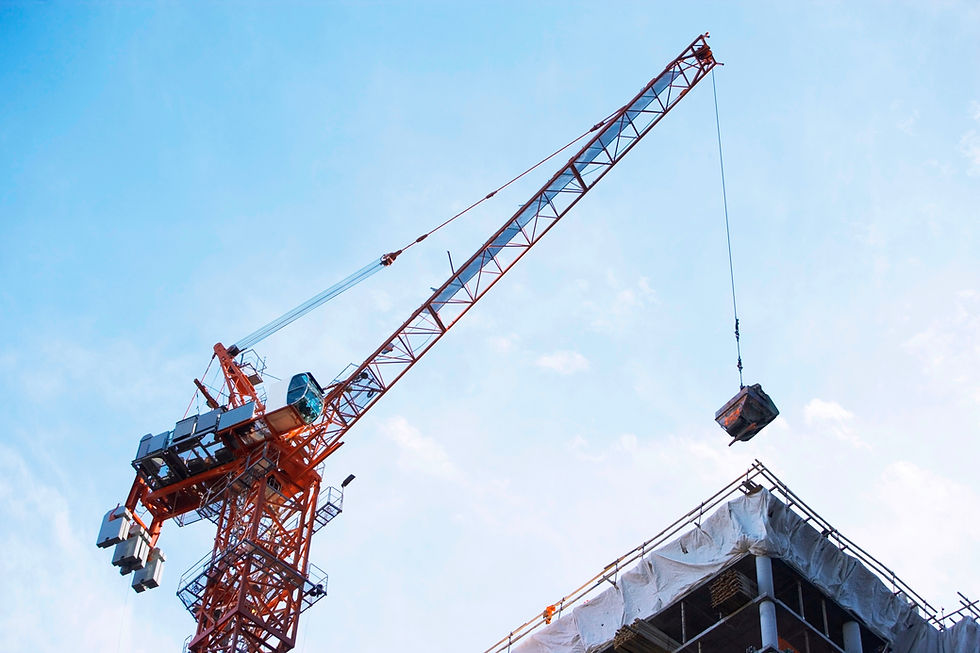
Being a crane operator is more than just pushing buttons or swinging steel. It’s a mix of technical skill, coordination, and nerves of steel (literally and figuratively). These operators are trained to handle some of the most powerful machinery in the world—tower cranes, mobile cranes, overhead cranes, and more.
A day in the life of a crane operator includes:
Operating heavy lifting machinery to move steel beams, concrete slabs, containers, or even entire sections of bridges.
Reading blueprints and load charts to understand where and how to lift materials safely.
Performing safety inspections on cranes before and after use.
Communicating with ground crews using radios and hand signals.
Maintaining balance, control, and precision—especially when working hundreds of feet above the ground.
This job isn’t for the faint of heart. It’s for people who love challenges, thrive under pressure, and have a serious respect for safety.
Why Become a Crane Operator?
There are plenty of reasons this trade attracts people looking for a change—or those just starting out.
High Demand: The construction and infrastructure industries always need skilled crane operators.
Strong Paychecks: On average, crane operators earn between $60,000–$100,000 per year, depending on experience, location, and certifications.
Variety of Work: You could be working on skyscrapers, ports, oil rigs, or even movie sets.
Job Pride: You’ll literally help build the skyline. That’s something to brag about.
Hands-On, Not Desk-Bound: If you hate sitting at a computer all day, this is about as far from that as you can get.
Plus, there’s the simple joy of mastering something massive and powerful. Few jobs give you that mix of responsibility and adrenaline.
Trade Schools That Train Future Crane Operators
You don’t just hop into a crane and start moving tons of steel. Training is a must. Thankfully, there are excellent trade schools and apprenticeship programs that can get you certified and job-ready.
Types of schools and programs
Crane Operation Trade Schools:Specialized schools offer focused programs on crane mechanics, load dynamics, rigging, and safety. Many include simulator training so you can practice before ever stepping into a real crane.
Construction Trade Schools:Broader construction programs often include crane operation modules or partner with unions for specialized training.
Union Apprenticeships:The International Union of Operating Engineers (IUOE) is one of the biggest pathways into the trade. Apprenticeships usually combine classroom instruction with paid on-the-job experience—win-win!
Community Colleges:Some offer certificate or associate degree programs in heavy equipment operation, which can include crane training.
What these schools teach
Crane mechanics and maintenance
Load calculations and weight distribution
OSHA safety standards and signaling
Blueprint and site plan reading
Hands-on control and precision techniques
Team communication and site coordination
Pro tip: Before you enroll, make sure the program meets NCCCO (National Commission for the Certification of Crane Operators) standards. Many employers require NCCCO certification.
The Qualities of a Great Crane Operator
Not everyone is built for this gig—and that’s totally okay. But those who thrive tend to share a few standout traits.
You might make a great crane operator if you:
Have excellent focus: You’re calm, patient, and precise. Distractions? Not your thing.
Are mechanically inclined: You like figuring out how big machines work and keeping them running smoothly.
Can stay cool under pressure: Sometimes, you’ll be operating in tight spaces, bad weather, or high stress. Steady hands are key.
Communicate clearly: You’ll rely heavily on your team, so clear signals and sharp coordination matter.
Respect safety above all: You follow procedures to the letter. No shortcuts.
Enjoy independence: You often work solo in your cab, high above the noise and chaos below.
If those sound like you, there’s a good chance you’ll love this career. And if not, many of these skills can be developed during training.

The Road to Becoming a Certified Crane Operator
Alright, let’s talk specifics. Here’s a roadmap for getting from “curious” to “certified.”
Get Your High School Diploma (or GED):Basic math and mechanical knowledge go a long way here. Physics doesn’t hurt either.
Enroll in a Trade School or Apprenticeship:Look for programs that include both classroom and hands-on learning.
Earn Your NCCCO Certification:This is the golden ticket. The certification includes written and practical exams for different crane types.
Get the Necessary Licenses:Some states require additional local licensing or endorsements—especially for mobile cranes.
Gain Experience:Work under supervision, learn from veterans, and rack up hours behind the controls.
Keep Learning:Technology in cranes keeps evolving—automation, digital load tracking, and telematics. Continuous training keeps you competitive.
What the Work Environment Is Really Like
Let’s be real: crane operation isn’t a cozy office job. You’ll often be outdoors, sometimes in extreme weather, and occasionally at dizzying heights. But for many, that’s the appeal.
Most crane operators work:
On construction sites for commercial and residential projects
In shipping yards or ports moving containers
At manufacturing plants handling large materials
In oil and gas fields or infrastructure projects
Hours can vary. Some days might start before sunrise or go late into the evening. Overtime is common (and pays well). And while the job is physically demanding, it’s not about brute strength—it’s about precision and endurance.
Common Challenges (and How to Handle Them)
Even the most experienced crane operators face obstacles. Here are a few challenges—and some smart ways to deal with them.
Weather conditions: Wind and rain can affect visibility and stability. Always check site conditions and follow safety protocols.
Communication breakdowns: Misunderstandings can be dangerous. Learn and use standard hand signals and double-check instructions.
Machine maintenance: Small issues can cause big problems. Do daily checks and report anything unusual immediately.
Mental fatigue: Operating for hours at a time can be draining. Take your scheduled breaks seriously—they matter for safety and focus.
The key is preparation, teamwork, and attention to detail. These small habits separate rookies from pros.
How to Stand Out in the Field
Once you’ve got your certification and some experience, how do you climb higher (career-wise)?
Specialize: Learn to operate multiple crane types—tower, mobile, overhead.
Add certifications: Rigger, signalperson, or safety management training can boost your résumé.
Stay tech-savvy: Modern cranes use computer systems for load monitoring and diagnostics.
Network: Join professional organizations like the NCCCO Industry Forum or local trade groups.
Be reliable: Word travels fast in construction. Being punctual, safe, and skilled keeps you in demand.
What Type of Person Fits This Career Best?
If you’re thinking about switching careers, you might wonder if crane operation is your match. Here’s the thing: people from all walks of life make great operators. Former mechanics, truck drivers, warehouse workers, or even office pros who wanted a change of pace—all have found a new rhythm behind the controls.
You’ll fit right in if you:
Like a blend of independence and teamwork
Appreciate structured rules and routines
Prefer active, hands-on work to desk time
Take pride in precision and craftsmanship
Want a career that’s in high demand and pays solid wages
It’s a job that rewards patience, discipline, and a steady hand more than brute strength or prior construction experience.
Reaching New Heights in Your Career
Choosing to become a crane operator is choosing a career that’s equal parts skill, focus, and pride. You’ll play a crucial role in shaping cities, building infrastructure, and quite literally lifting the future. With solid training, the right mindset, and a respect for safety, you can build a career that’s both stable and exciting.
And here’s the best part: this is a trade that rewards effort. The more you learn, the higher you can go—professionally and, well, literally.
So if you’re ready to trade your nine-to-five for a job that moves you (and a few tons of steel), it might be time to start your climb.


Comments